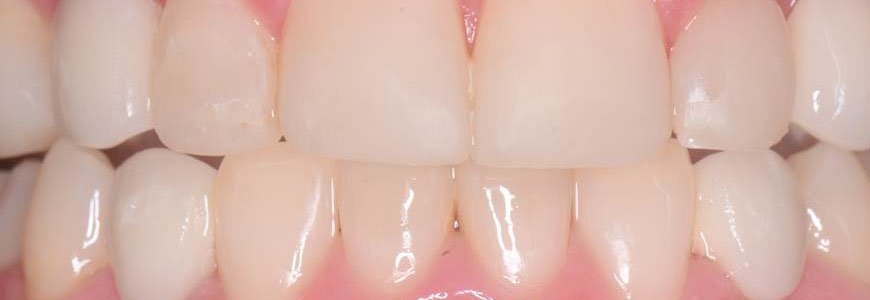
Teeth grinding is an oral and jaw problem where the person affected grinds his or her teeth. Bruxism is more common but is often mild, or intermittent, and does not affect someone's health. But when tooth grinding becomes more frequent, it could lead to complications, resulting in severe damage to the jaws and teeth.
Adults are not the only ones to suffer from bruxism. 15 to 33 percent of children grind their teeth, and this happens mostly during tooth eruption periods. Juvenile bruxism happens when the child is sleeping and many parents notice it because they hear grinding noises coming from the child's mouth.
There are no major treatments for young children who show bruxism. Most of them lose the habit when they reach adolescence. Here are a few tips for helping a child to reduce teeth grinding:
Here are the most suspected causes of bruxism:
Constant teeth grinding can fracture, use-up, or cause tooth loss. In such cases procedures like crowns, bridges, root canals or implants may be necessary. Severe bruxism can not only damage teeth, but could also worsen the general condition of the jaws. If not treated, this problem can lead to a partial loss of hearing, affect the temporal mandbular joint, or even change the appearance of the face.
In most cases, when bruxism is mild, no treatment is necessary. It’s when teeth grinding becomes severe and causes damage or pain that it should be treated. The following are some of the solutions.
Complete smile transformation
Natural-looking restorations
Professional stain removal
Permanent tooth replacement
Clear aligner orthodontics
Balanced smile aesthetics
“Your smile is your signature. We use advanced cosmetic dentistry to enhance your natural beauty and restore your confidence. Every smile is unique, and we create personalized solutions for each patient.”